21 km WSW of Sarangani, Philippines
5.331°, 125.286° · Fri, 26 Jun 2026 11:34:43 GMT
Depth
66 km
USGS PAGER
GREEN
Tsunami
—
MMI
—
Moderate earthquake — strong shaking is likely near the epicenter, with limited damage probable in vulnerable buildings.
If you felt it, check for falling-object hazards, inspect for gas leaks and cracks, and be ready for aftershocks in the next hours to days.
What this earthquake means
- Moderately shallow source (66 km). Strong shaking is concentrated near the epicenter; damage potential rises sharply with magnitude.
- USGS PAGER is GREEN — large-scale casualties are unlikely, but localized landslides, secondary hazards and damage to vulnerable buildings still warrant caution.
Interpretation derived from USGS PAGER & ShakeMap (MMI) guidance. Always defer to local civil-protection advisories.
Situation timeline
0 signalsNo local signals yet. While we keep listening to news, Reddit and official feeds, here are the primary sources and ways you can help fill the gap.
No local signals yet — if you felt it or are nearby, your "Did you feel it?" report on the right is the fastest way to put this event on the map for others.
⚠ Emergency response — read first
Surfaced because this event is M6.7What to do — pick your situation
Scenario-based actionsDo now
- Drop, Cover, Hold On — get under a sturdy desk or table; protect head and neck.
- Stay away from windows, mirrors, heavy shelves and unsecured furniture.
- If in bed, stay there and cover your head with a pillow.
Avoid
- Do NOT run outside during shaking — falling debris near exits is a top killer.
- Do NOT use elevators.
- Do NOT light matches or candles until you confirm no gas leak.
Once shaking stops
- After shaking stops, check for gas smell, water leaks and structural cracks before re-entering rooms.
- Wear shoes — broken glass is the most common post-quake injury.
- Expect aftershocks for hours to days; keep a clear path to an exit.
⚠ Secondary hazards not in PAGER
USGS PAGER estimates shaking-driven fatalities and economic loss only. It does not model landslides, rockfalls, liquefaction, dam failures, fires-following-quake or tsunami inundation. In mountainous terrain (e.g. Afghanistan, Nepal, Andes) landslides often cause more casualties than the shaking itself — treat slope-failure risk as a first-order threat, not a footnote.
Source: USGS PAGER overview & onePAGER documentation.
Nearby shelters & hospitals
Searching OpenStreetMap… (up to ~12s)
Meanwhile, use the Google Maps shortcuts above to find hospitals or shelters now.
Missing a local hospital or shelter from this map?
➕ Submit on OpenStreetMapOne-tap dial · Philippines
5 layersNational emergency
Local medical
Many countries route medical through the general emergency line.
Red Cross / disaster relief
Chinese embassy
Auto-selected: closest CN diplomatic post to the epicenter (consular districts vary; if unsure, call 12308).
International traveler help
Web resources — open on a browser, not a dialer.
⚠ Numbers may change. Always confirm with local official sources during a live event.
Best-effort directory · last reviewed manually · not a substitute for official guidance.
Missing persons board
0 missing · 0 marked found · each post becomes a shareable card
Loading…
Safety hub
🇵🇭 Philippines emergency
911
If shaking continues
Drop, cover, hold on. Stay under sturdy furniture; away from windows.
Coastal areas
Watch official tsunami advisories even without a flag.
After shaking stops
Check for injuries, gas leaks, and structural damage. Expect aftershocks.
Reports collected
0
Be the first — submit a ground report below.
0
Weak
0
Strong
0
Severe
0
Violent
Field-report signals
0
Building damage
0
Power / network out
0
Roads blocked
0
Injuries reported
0
Supplies needed
0
Medical needed
0
Search & rescue
⚠ Aftershock & post-quake hazards
Strong aftershocks can continue for days or weeks. Each one is its own event — drop, cover, hold on.
- Stay out of damaged buildings. Cracks, leaning walls or jammed doors mean the structure may fail in the next shake.
- Gas, power, water. Smell gas? Leave, then shut the meter from outside. Don't flip switches or use candles. Assume downed lines are live.
- Listen for official alerts. Battery / hand-crank radio beats overloaded mobile networks in the first hours.
Secondary & cascading risks
Pattern-based. Cross-check with local civil-protection.Aftershocks likely
Strong aftershocks (sometimes ≥M5) can continue for days or weeks. Each one can further weaken already-damaged structures.
USGS aftershock forecast →Gas leaks & fire
Fire from broken gas lines is a major post-quake killer. If you smell gas, hear a hissing sound, or see a damaged line — leave, then call from outside. Do not use elevators.
Ready.gov: Earthquakes →Damaged buildings
Don't re-enter visibly damaged structures, even briefly to grab belongings. Cracks in concrete, leaning walls, or jammed doors are signs of compromised integrity that aftershocks will exploit.
Family & household checklist
Saved on this device only. Nothing is uploaded.
0/13
0% done
People
Supplies
Home / structure
Knowledge cards · shareable
M6.7 energy release
Roughly equivalent to 179 Hiroshima-class atomic bombs. Each magnitude step releases ~32× more energy.
Shallow quake
At 66 km depth, shaking reaches the surface with more force. Shallow quakes cause the most damage.
Drop · Cover · Hold On
Drop to your hands and knees. Take cover under sturdy furniture. Hold on until shaking stops. Stay away from windows and exterior walls.
Aftershocks expected
Expect aftershocks for hours to weeks. They can be nearly as strong as the mainshock. Avoid damaged structures.
Source: USGS event pt26177001
Be prepared · editor picks
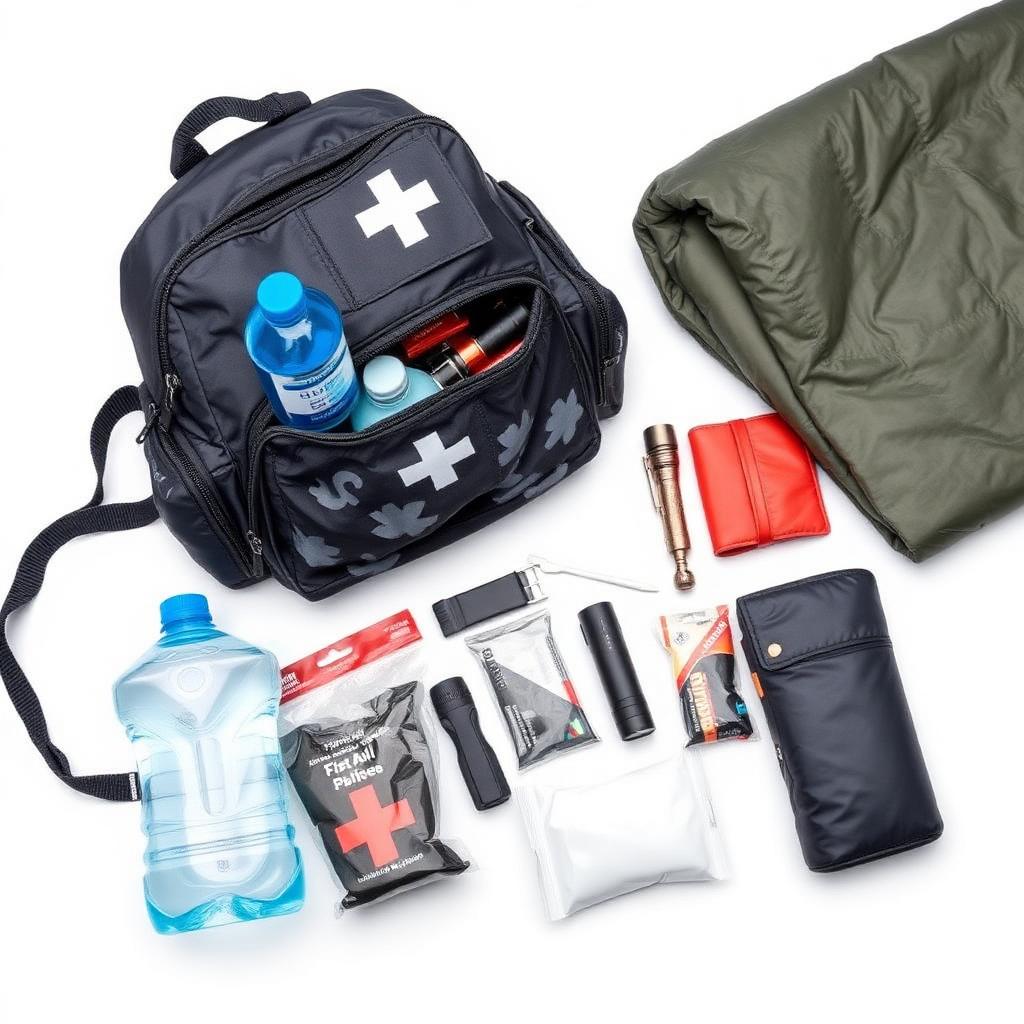 🎒
🎒72-Hour Earthquake Survival Backpack
Food, water, first aid, thermal blanket, hand-crank radio. 2-person.
$89
★ 4.7 (3.2k)
 🛡️
🛡️SafetyWing Nomad Insurance
Natural disaster evacuation & medical worldwide. From $45/4 wks.
From $45
★ 4.6
 🔋
🔋Anker 25,600 mAh Portable Charger
Charges phone 5–6×. USB-C PD 65W. Airline-safe.
$79
★ 4.8 (18k)
 🔦
🔦Tactical LED Flashlight + Headlamp Combo
2000 lumens, rechargeable, waterproof. Includes headlamp.
$29
★ 4.7 (9.4k)
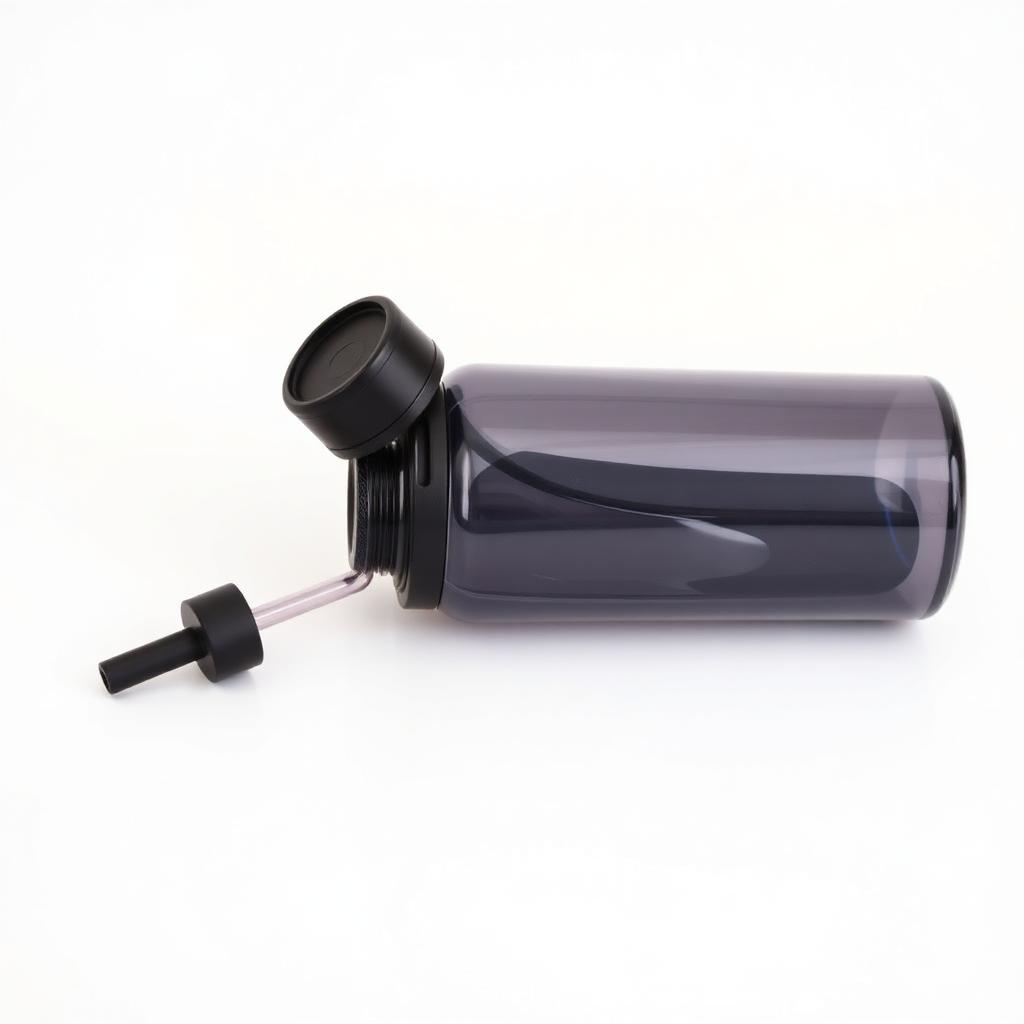 💧
💧LifeStraw Personal Water Filter
Filters 1,000 gal. Removes 99.999% of bacteria & parasites.
$17
★ 4.8 (102k)
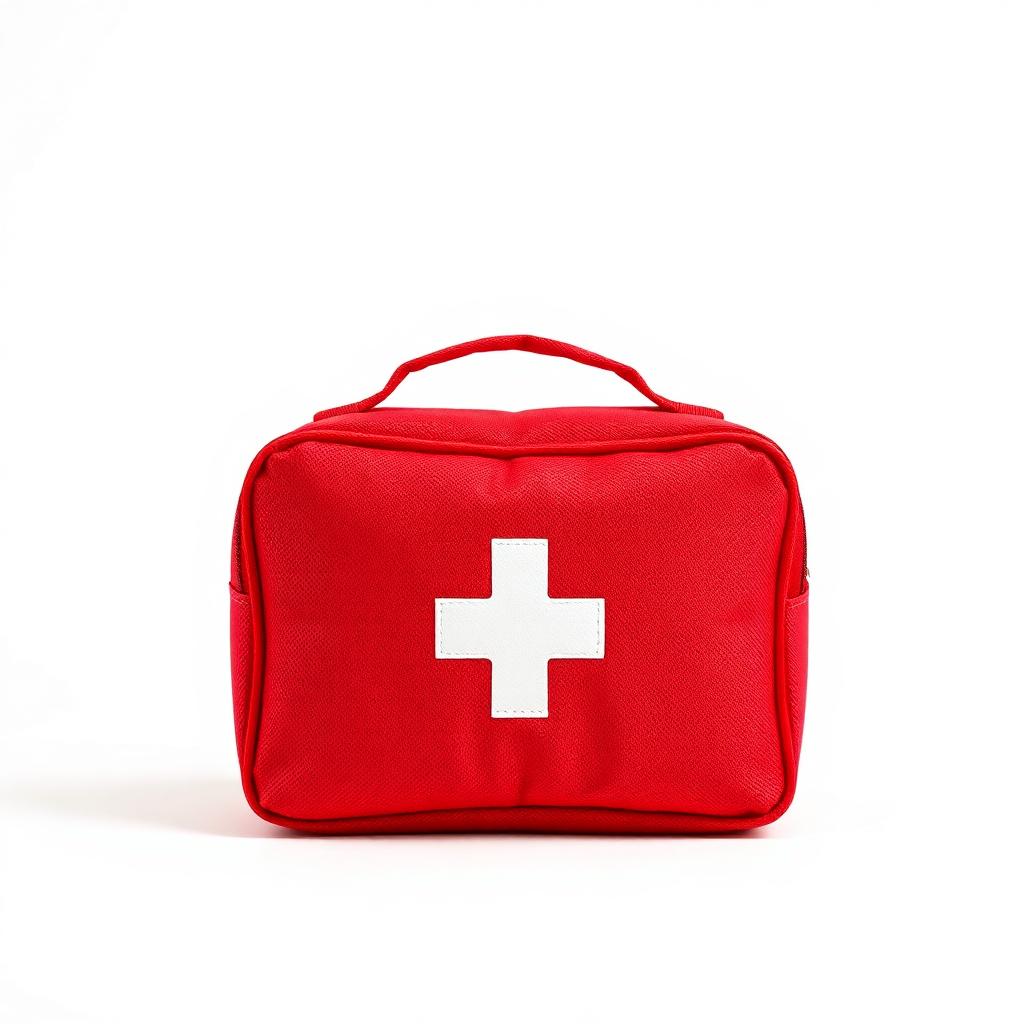 ➕
➕200-Piece Professional First-Aid Kit
Trauma supplies, bandages, meds. Compact zip case for go-bag.
$24
★ 4.8 (22k)
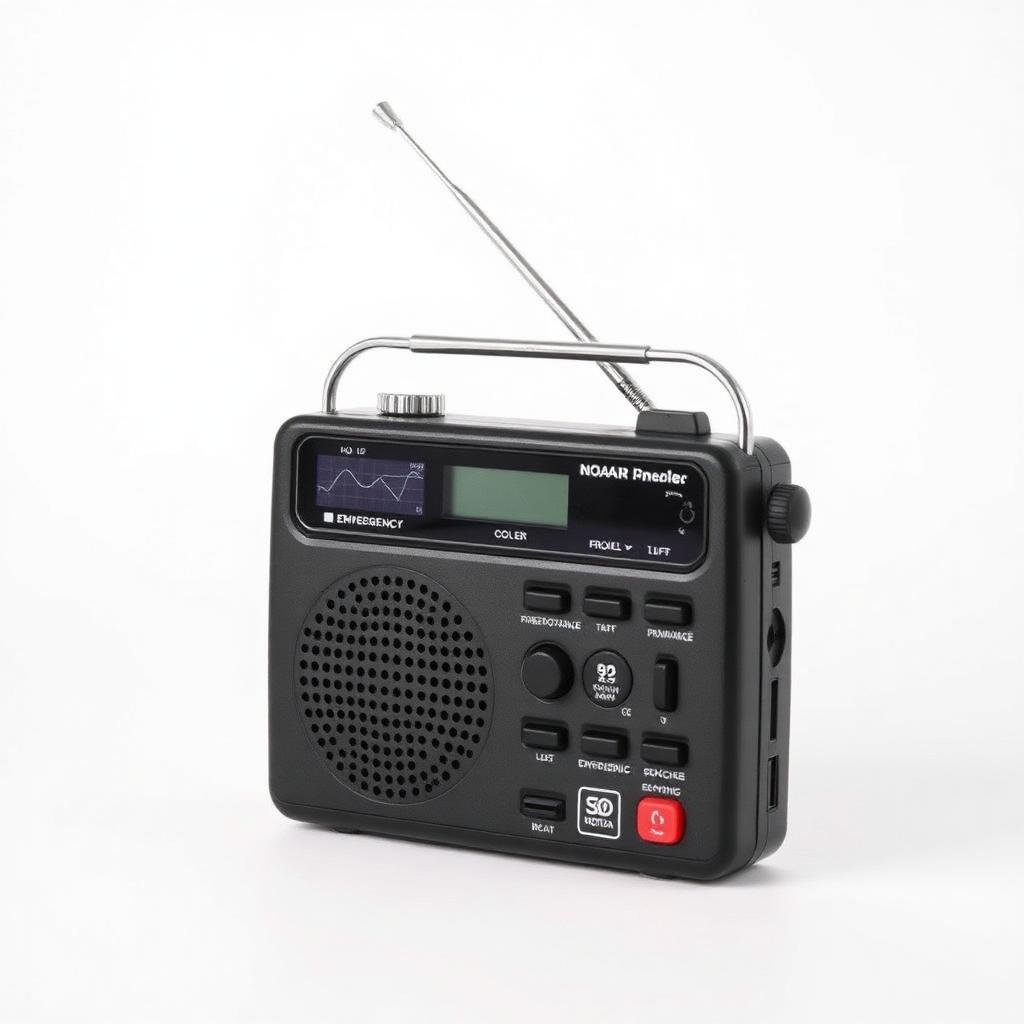 📻
📻Hand-Crank NOAA Weather Radio (Solar)
Solar + hand crank + USB. SOS alarm, phone charger built-in.
$39
★ 4.6 (14k)
👨👩👧4-Person 72-Hour Emergency Kit
Family-sized go-bag. Food, water, blankets, tools.
$159
★ 4.6 (1.8k)
☀️BigBlue 28W Solar Panel Charger
Foldable panels, 3 USB. Charges devices off-grid.
$69
★ 4.5 (8.7k)
🏮Collapsible LED Camping Lantern (4-pack)
Battery-powered, 30-hour runtime each. Stash one in every room.
$26
★ 4.7 (28k)
🚰WaterBrick Stackable 3.5-Gal Containers
Food-grade, stackable. BPA-free emergency water storage.
$45
★ 4.7 (3.1k)
🩹MyMedic MyFAK Trauma First-Aid Kit
Tourniquet, chest seal, hemostatic gauze. EMT-curated.
$135
★ 4.9 (4.6k)
Disclosure: As an Amazon Associate and partner of the brands listed, DisasterFeed earns from qualifying purchases at no extra cost to you. Picks are chosen for disaster preparedness, not commission rate.
FAQ · Common questions
Long-tail answers
M6.7 is a strong earthquake. Near the epicenter expect structural damage, falling objects and injuries. Damage rises with shallower depth and softer ground. Severity also depends on depth (this event ~66 km), local building codes, population density and the time of day.